
Colorado has many opportunities to help animals and people. As an example, animal care technicians are responsible for providing care to animals and working with veterinarians and staff at hospitals. They assist in veterinary procedures like humane euthanasia. In 2010, the average salary for an animal-care worker was $19,950. You can also apply for entry-level positions as kennel workers or veterinarian assistants.
Technicians in veterinary care are responsible for cleaning and maintaining animal enclosures. They might also provide support as required. They are trained to care for patients compassionately. They can also help patients prepare for surgery or administer medication. They may also be required to attend continuing professional development courses.
Animal Care Technicians can increase their salary by changing employers or completing an advanced degree. You may also be eligible for additional income if you work for an organization that offers employee benefits, such as tuition reimbursement and student loans assistance.

The veterinary care technician must be knowledgeable and friendly. They must also have the ability to manage multiple tasks simultaneously. It is necessary to be able walk and lift 50 pounds. They need to be able and willing to assist customers. They must be willing to work overtime, especially if they have to do a late-night shift.
Some animal care workers may need to continue their professional development. They may also have to work in all kinds of weather. They may also work shifts, such as evenings and weekends. They may also work at rescue stations. They may be required to use safety equipment. They may also be required to undergo training on how to administer anesthesia, use a catheter, and operate an IV. They may also need to clean kennels, pull safety gear, and use cleaning materials.
A veterinary assistant may be required to perform diagnostic imaging and administer medication. They might also need to take continuing education courses. Some may enroll in NVQ courses. They might be required to work outside of an animal care facility. The animal care field is expected to have 23% growth over the next few years.
Client Services Representatives are responsible for providing quality customer service at the front desk. They must be able, quickly, to learn and implement a wide range of policies. They also must be able to represent the organization professionally. They may be required to answer questions from the public or other staff members. They might also be required data entry.
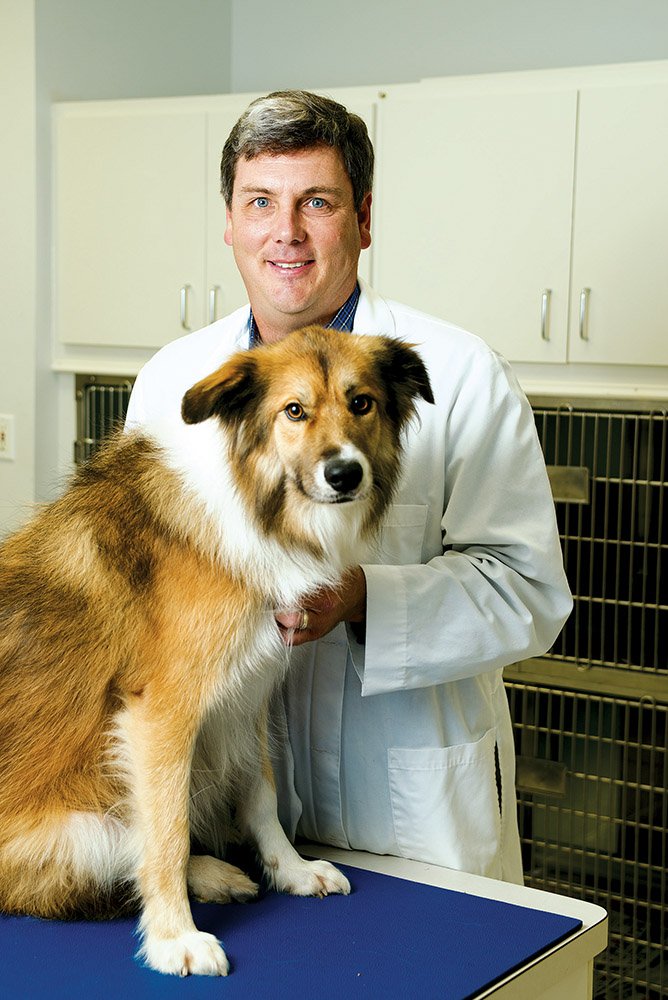
The Animal Care Supervisors supervise eight to ten Animal Care Techs. They supervise the animal care technicians and monitor their health. They actively participate in improving workflow processes. They might be required to report any discrepancies or participate in safety protocols. They may be required work weekends and holidays.
FAQ
How do you feed your pet?
Four times daily is the recommended amount of food for cats and dogs. Dry kibble is used for breakfast. Lunch is usually some sort of meat like chicken or beef. Dinner is often a meal of vegetables, such as broccoli or peas.
Cats may have different dietary preferences. Their diet should consist of canned foods. These foods include salmon, tuna, chicken, and sardines.
You pet might also like to eat fruits and vegetables. However, they shouldn't be given too often. Cats tend to get sick if they overeat.
You shouldn't allow your pet water right from the faucet. Instead, let him have water from a bowl.
Make sure that your pet gets enough exercise. Exercise will help keep your pet healthy and his weight down. Exercise keeps him fit and healthy.
After your pet eats, make sure you wash the dishes. This will stop your pet getting sick from eating harmful bacteria.
Remember to brush your pet's coat regularly. Brushing can remove dead skin cells which can lead to infection.
Make sure to brush your pet at minimum twice per week. Use a soft bristle comb. A wire brush is not recommended. This could cause serious damage to your pet’s dental health.
Always supervise your pet's eating habits. He should be able to properly chew his food. He might swallow pieces of bone if he doesn’t.
Your pet should not be allowed to use garbage cans. This can be harmful to your pet's overall health.
You should never leave your pet in an enclosed area. This includes hot tubs, hot boats, and cars.
What type of food should I give my dog to eat?
You should feed your dog a healthy diet.
High-protein foods include chicken, beef and fish as well as eggs and dairy products.
Fruits, vegetables, legumes, bread, cereals and pasta are all high in carbohydrate.
Foods that are low in fat include lean meats, poultry, fish, nuts, seeds, and whole grains.
Before giving your dog different food types, always consult your veterinarian.
Which pet is your favorite?
The best pet is one that you love. There is no single right answer. Everyone has a different opinion on what pet is best.
Some people believe that cats can be more loving than dogs. Others believe dogs are more loyal, loving, and affectionate. Still, others argue that birds are the best pet.
You must choose the right type of pet for you, regardless of what breed.
For instance, if you're outgoing and friendly, then a dog would be perfect for you. A cat or dog would be the best for you, if you are shy and reserved.
Also, think about the size of your house and apartment. If your apartment is small, you'll need to have a smaller pet. You'll need more space if you have a larger home.
Remember that pets need lots of attention. They must be fed often. You should take them for walks. They should be brushed and cleaned.
If you know all these things, you'll be able to pick the best pet for yourself.
Do I need to spay/neuter my pet dog?
Yes! Yes!
It reduces the number of unwanted dogs in the world and also lowers the chance of developing certain diseases.
Female dogs are more likely to get breast cancer than male dogs.
The risk of testicular tumors is higher in males and females.
Also, spaying or neutering your pet will prevent her from having children.
Statistics
- * Monthly costs are for a 1-year-old female mixed-breed dog and a male domestic shorthair cat less than a year old, respectively, in excellent health residing in Texas, with a $500 annual deductible, $5,000 annual benefit limit, and 90% reimbursement rate. (usnews.com)
- It's among a relatively few companies that provide policies with a full (100%) coverage option, meaning you are not responsible for any co-payment of bills. (money.com)
- For example, if your policy has a 90% reimbursement rate and you've already met your deductible, your insurer would pay you 90% of the amount you paid the vet, as long as you're still below the coverage limits of your policy. (usnews.com)
- It is estimated that the average cost per year of owning a cat or dog is about $1,000. (sspca.org)
- In fact, according to ASPCA, first-year expenses can sum up to nearly $2,000. (petplay.com)
External Links
How To
How to choose the best name for your pet
Name selection is one of most important decisions when you adopt a pet. You want your pet's name to reflect their personality.
Also, think about how others might refer you to them. For example, if you plan to use their name when speaking with someone. The last thing you need to think about is how you want to be referred. What do you prefer, for example, "dog" or pet?
Here are some tips and tricks to help you get going.
-
Select a name to fit your dog's breed. If you're familiar with the breed (e.g. Labradoodle), search for names associated with it. Or ask someone who knows dogs well to suggest a name based on the breed.
-
Take into account the meaning behind the name. Some breeds were named after people or specific places, while others are just names. For example, the Labrador Retriever named "Rover" because he was always running!
-
What would you prefer to be called? Do you prefer "dog" to "pet?" Are you more likely to call your dog "Puppy" than "Buddy?"
-
Don't forget to include the owner's first name. It makes sense to give your dog a name that includes your last name but doesn't limit yourself to only including your family members' names. Your dog may grow up to be part of your family, too!
-
Keep in mind that many pets have multiple names. A cat, for instance, could go by different names depending upon where she lives. When she visits her friends, she might be called "Kitty Cat" but "Molly", at home. This is especially true for cats who live outside. They may choose to name themselves after the environment in which they live.
-
Be creative! There is no rule that says you must follow a particular naming convention. Be unique and memorable in your choice.
-
Make sure that your chosen name doesn't already belong to another person or group. That way, you won't accidentally steal someone else's identity!
-
Remember that choosing the right name for your pet can be difficult. Sometimes it takes some time to decide if a name is right. You can keep searching until you find your perfect match.