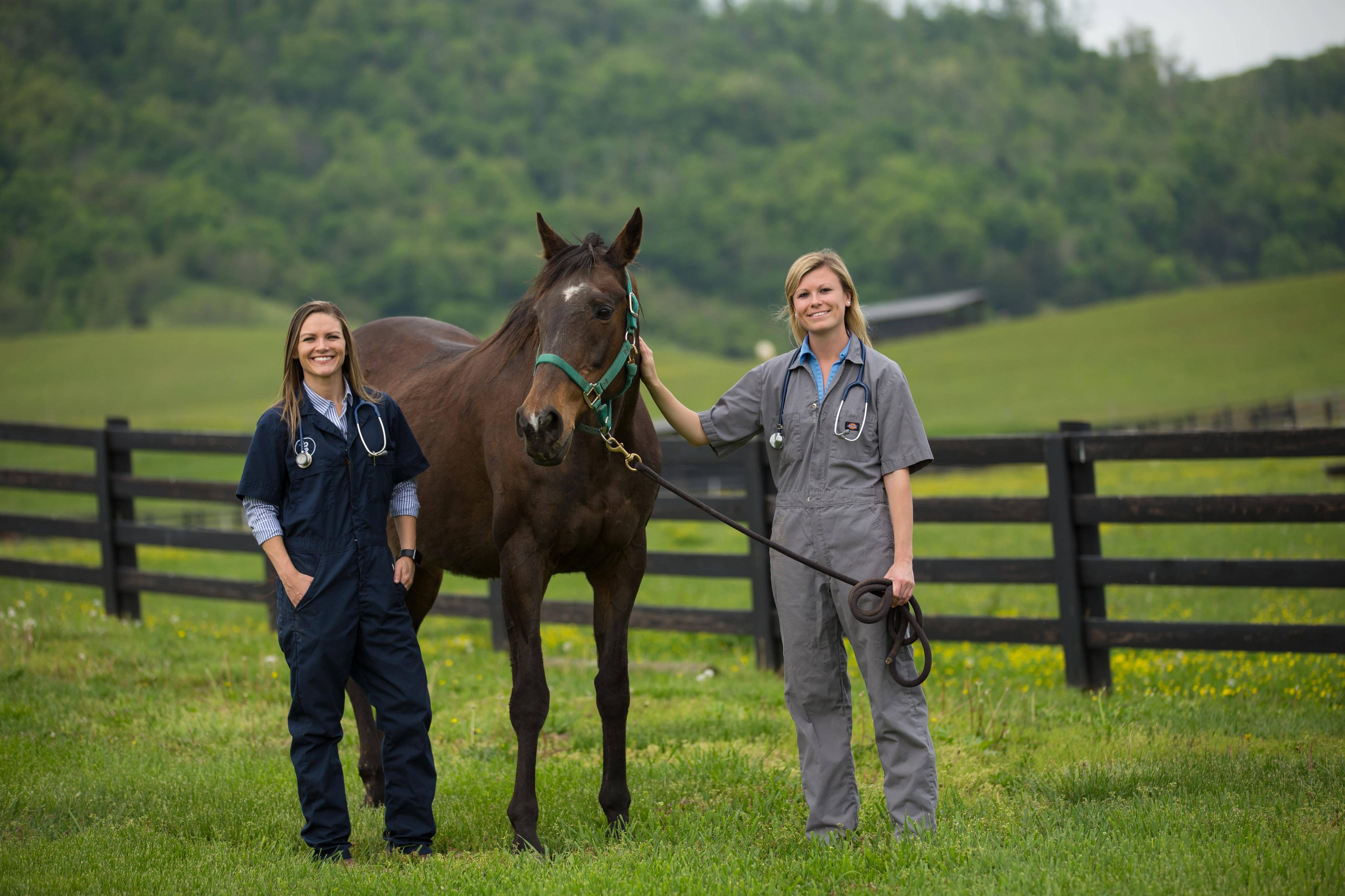
Large animal veterinarians can provide medical care for nondomestic animals. They can diagnose and perform surgeries, as well as monitor animals' health. These large-scale vets can travel to many different places to treat the animals.
The location and experience of a Large Animal Veterinarian will determine their salary. In addition, the type of position they have can also be a factor. Managers can make higher salaries than those who are less experienced. Veterinarians with years of experience may be eligible for bonuses at private practices and veterinary colleges.
According to the Bureau of Labor Statistics, veterinarians are projected to increase by 17 percent between 2020 and 2030. This is significantly higher than the average growth rate for all occupations. Because of this increase in demand, veterinarian job openings are expected rise. Depending upon the specialty, vets might earn between $85,000-135,000 annually. Ophthalmology (top three specialty), Pathologists, or Lab Animal Specialists are the top three.
A salary for an entry-level large animal veterinarian is between $75,000 and $85,000 in 2021. With more experience, veterinarians may earn up to $88,000. After several years of practice, they can become certified in a specific specialty. It is important to have a strong work ethic and compassion for animals. These qualities will help you move up in your career.
Large Animal Veterinarians usually hold a Bachelor's degree in Animal Science. A veterinary college usually offers a four-year program. This includes general knowledge as well clinical rotations. These rotations permit students to work as a team under the guidance of a large animal veterinarian.
Working experience is an important part of veterinary school. This is why veterinary students are often accepted into the public sector. Many choose to practice in private practice. If you choose to become a Veterinary Surgeon, you will need to complete a residency program, which is usually a three- or four-year course.
A Veterinary Surgeon's salary will vary depending on the size of the practice, the industry, and the employer. But, because of the supply-demand dynamic, salaries for Veterinarians are expected to continue to increase.
Potential veterinarians are eligible for financial aid programs due to the huge demand for large animal vets. While it can be difficult to find a position in this industry, there are still opportunities for advancement. The government has been pushing for more rural vets. Also, large animal vets are often in demand for food safety and disease control.
Depending on where they live, large animal veterinarians in the United States will earn between $51,679 to $251,153. Those in the top eight percent of Large Animal Veterinarians make an average of $76,500 to $114,501.
Ophthalmology (and other specialties) are the most well-paid. Advanced degree holders can make even more as a veterinarian. A certification in a specific field is another way to increase your income.
FAQ
These are the three most important things to do before you get a cat.
These are some questions you should ask yourself before buying a cat.
-
Do you have any questions about the health of your cat?
-
Can the cat eat all of my food?
-
Is it because I am a lover of cats or do you just want a pet to play with?
What are the responsibilities and responsibilities of pet owners?
A pet owner must love his/her pet unconditionally. They should also provide for their basic needs such as food, water, shelter, etc.
They must teach them proper behavior. Pet owners should not neglect their pet.
He should also be responsible enough and able to take care of it.
How long should a dog remain indoors?
Dogs are naturally curious. Dogs require an outlet for their curiosity. They can become destructive if they don't have an outlet. This can lead to many problems, including the destruction of property and injury to people.
A leash should always be worn by dogs when they are outside. They can explore their surroundings safely while being kept in check.
You should keep your dog indoors for as long as possible. He will soon become bored and restless. He will chew furniture and other items. His nails could grow too long and cause him to have health issues.
It is best to allow your dog to run free at least one day per week to avoid these unfortunate consequences. Take your dog out for a run around the block, to the car, or to the park.
This will help him burn off energy and give him something constructive to do.
Statistics
- For example, if your policy has a 90% reimbursement rate and you've already met your deductible, your insurer would pay you 90% of the amount you paid the vet, as long as you're still below the coverage limits of your policy. (usnews.com)
- Here's a sobering reality: when you add up vaccinations, health exams, heartworm medications, litter, collars and leashes, food, and grooming, you can expect a bill of at least $1,000 a year, according to SSPCA. (bustle.com)
- * Monthly costs are for a 1-year-old female mixed-breed dog and a male domestic shorthair cat less than a year old, respectively, in excellent health residing in Texas, with a $500 annual deductible, $5,000 annual benefit limit, and 90% reimbursement rate. (usnews.com)
- Reimbursement rates vary by insurer, but common rates range from 60% to 100% of your veterinary bill. (usnews.com)
- A 5% affiliation discount may apply to individuals who belong to select military, law enforcement, and service animal training organizations that have a relationship with Nationwide. (usnews.com)
External Links
How To
The best way to teach a dog where he should go to urinate
It's essential to show your pet how they should use the toilet. It's important to learn how to train them to use the toilet properly if your dog starts to venture outside. Here are some tips to help you teach your dog how to use the bathroom properly.
-
Get started training as soon as possible. Training early is key if you want to avoid accidents during playtime
-
Food rewards are a good idea. Reward your pet for every successful trip to the toilet.
-
Avoid giving treats to your pet's pee spot. This could lead to your dog identifying urine smell as his favorite treat.
-
Before you allow your dog outside, make sure that no other animal is nearby. Dogs that see other dogs relieve themselves might think this is normal.
-
Be patient. Sometimes it might take your puppy longer to understand things than an adult.
-
Let your dog sniff everything before allowing her to step into the bathroom. It's easier for her to learn if she has a chance first to smell the toilet.
-
While you are taking care of business, don't allow your dog to stand near the toilet. It could cause confusion.
-
Once you're finished, wipe down the toilet bowl and the floor. These areas can serve as a reminder for what to do next.
-
All messes should be cleaned up immediately. Clean up after your dog has an accident. He might try to get rid of himself again if he is not careful.